Buying Guides
A Beginner's Guide to Diaclone: What Collectors Need to Know
Written by Zero Variant · Published · Updated
Diaclone can look confusing from the outside. The boxes are covered in codes like DA-120, the same machine seems to appear in several colours and everyone talks about tiny pilots that fit inside the cockpits. If you have admired these figures without quite understanding how the line works, this guide is for you. It explains what Diaclone is, how the pieces fit together and what to check before you buy your first one.
To see which figures you can order, shop Diaclone figures. Each product card shows the current price and availability.
What is Diaclone?
Diaclone is a science-fiction toy line made by Takara Tomy, the Japanese company behind many classic transforming robots. The idea has stayed the same since it began: small human pilots board a range of machines, vehicles and robots built to the same scale, so figures from across the line can share cockpits and hangars.
Several original Diaclone moulds, alongside designs from Takara's Micro Change line, were later adapted for the original Transformers range. That shared history explains the family resemblance, but Diaclone was always its own concept, centred on human pilots and their machines rather than living robots.
For mecha collectors the appeal is the engineering. These are detailed, poseable machines with opening cockpits, moving parts and a consistent internal logic, so a shelf of them reads as one connected world rather than a set of unrelated toys.
What is modern Diaclone Reboot?
Takara Tomy relaunched the line in 2015, 35 years after the original. Collectors often call this modern era Diaclone Reboot to separate it from the vintage toys. It keeps the pilots-and-machines concept but rebuilds it with modern engineering.
In practice that means tighter tolerances, far more articulation, painted detail and transformation or combination between modes on many releases. Some machines convert from a vehicle to a robot. Others are designed to link up with separate units to form something larger. The pilots still ride inside, so the play and display value comes from posing the machines, swapping parts and staging scenes.
Not every product does everything. Some releases are large transforming hero machines, some are compact single-mode vehicles and some are just sets of pilots. It is worth reading each product description rather than assuming a given feature is present.
What are Dia-Nauts?
The pilots are the heart of the line. Takara Tomy's English site refers to them as DIACLONE members, while collectors and retailers commonly call them Dia-Nauts. They stand roughly 3cm tall, matching the line's shared 1/60 scale.
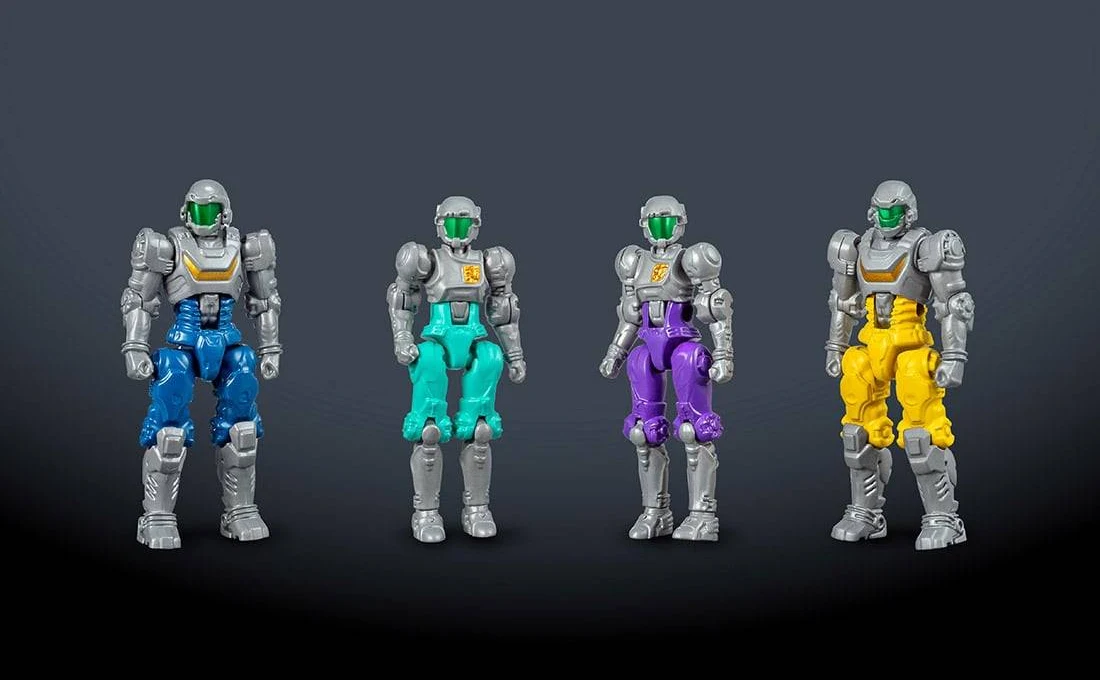
Their job is to board the machines. Cockpits, vehicles and bases across the range are built to seat these figures, which is what makes the world feel connected. A pilot from one set can often sit in a cockpit from another because both are designed to the same scale.
Pilots are not included with every release. Larger machines usually come with one or more, while some products are the machine alone and others, such as a dedicated Dia-Nauts set, are the pilots on their own. If having the little figures matters to you, check the contents list before buying.
Understanding the main Diaclone product types
Takara Tomy does not split the range into tidy, exclusive boxes, so treat the following as broad groupings rather than strict categories.
- Powered Suits. Compact powered-armour machines, usually piloted, that form the smaller end of the range.
- Tactical Movers and variable machines. Mid-sized machines built around interchangeable and transforming parts, offering more configurations than a Powered Suit.
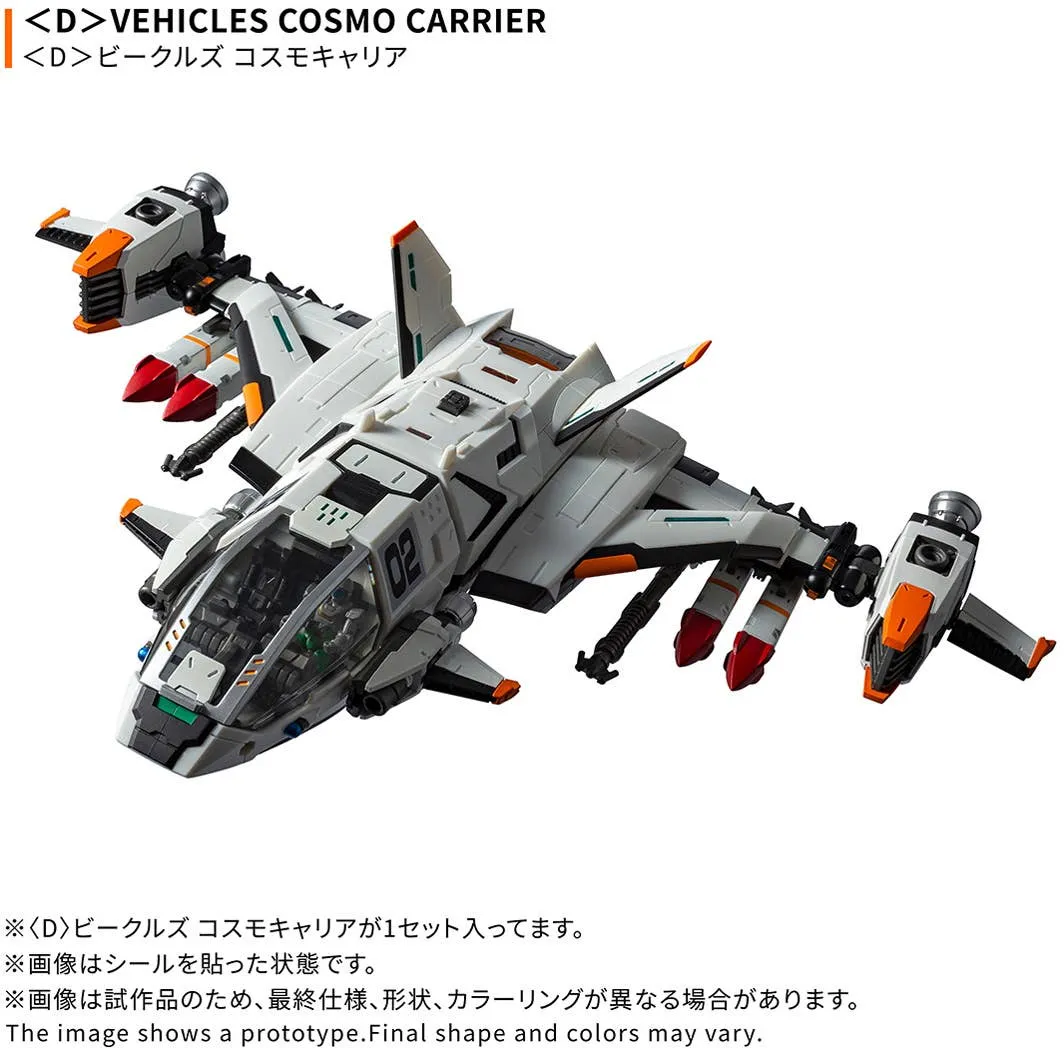
- Vehicles. Cars, aircraft and spacecraft that a pilot boards, sometimes sold under the D Vehicles banner, as with the Cosmo Carrier.
- Combining robots. Hero machines such as the Dia-Battles series that transform and link with other units on some releases. The DA-127 Powered Convoy V-MAX is one example, joining Battle Convoy V-MAX with the Powered Greater reinforcement machine.
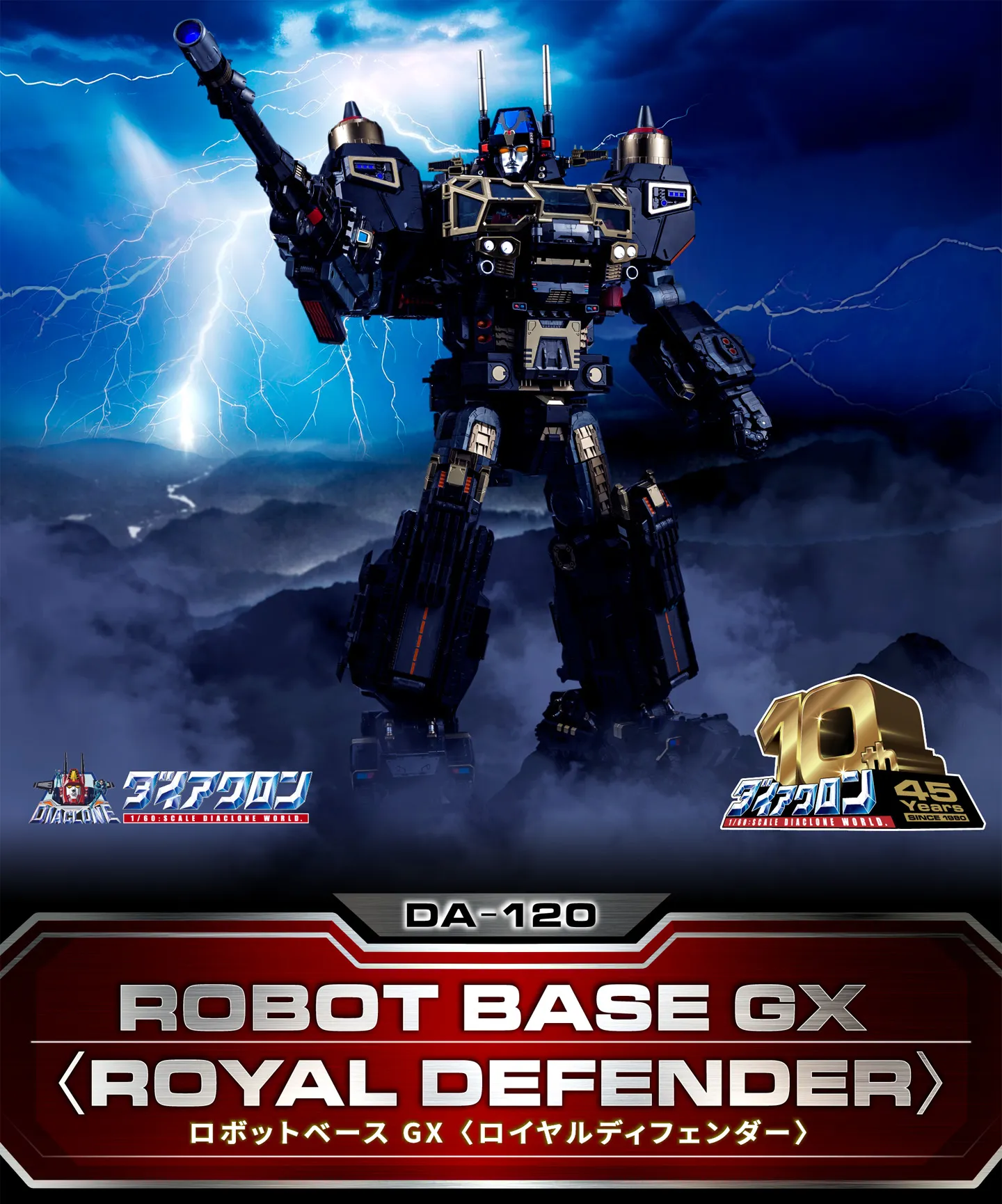
- Carriers and Robot Bases. Larger releases that act as a hub, with room to store or deploy smaller machines and pilots. The DA-120 Robot Base GX is the clearest example.
- Expansion and optional parts. Add-on weapons, parts and recolours that extend an existing machine rather than standing alone.
These groups overlap. A single release can be a transforming vehicle that also combines with others, so the labels describe emphasis rather than hard rules.
How Diaclone modularity works
Modularity is one of the line's selling points, but it helps to be precise about what it does and does not mean.
At the broadest level, the shared 1/60 scale means pilots and cockpits are broadly compatible across the range, so a Dia-Naut can usually board different machines. That is a shared design principle, not a guarantee that any two products lock together.
Beyond scale, connection is often product-specific. Some machines use a named parts standard, such as the VERS interchangeable system, so units built around it can share compatible parts. Combination between whole machines is usually a designed feature of particular releases rather than a universal trait. When Takara Tomy intends two products to join, the product description says so.
So there are really three levels to keep in mind: broadly shared design principles across the line, product-specific connection systems that only some releases use and individual releases that are directly advertised as compatible with each other. If you are buying something to combine with a machine you already own, confirm that the two are actually meant to connect before you order.
What do the DA product numbers mean?
DA numbers are how Takara Tomy identifies releases in the modern line. They are catalogue codes rather than a hidden ranking. There is no official secret meaning encoded in them.
A few practical points. Higher numbers generally indicate later releases, so DA-120 arrived well after DA-01. Recolours, variant versions and expansion packs typically get their own DA number, which is why you will see the same machine appear under different codes. A paired set can even span two numbers at once.
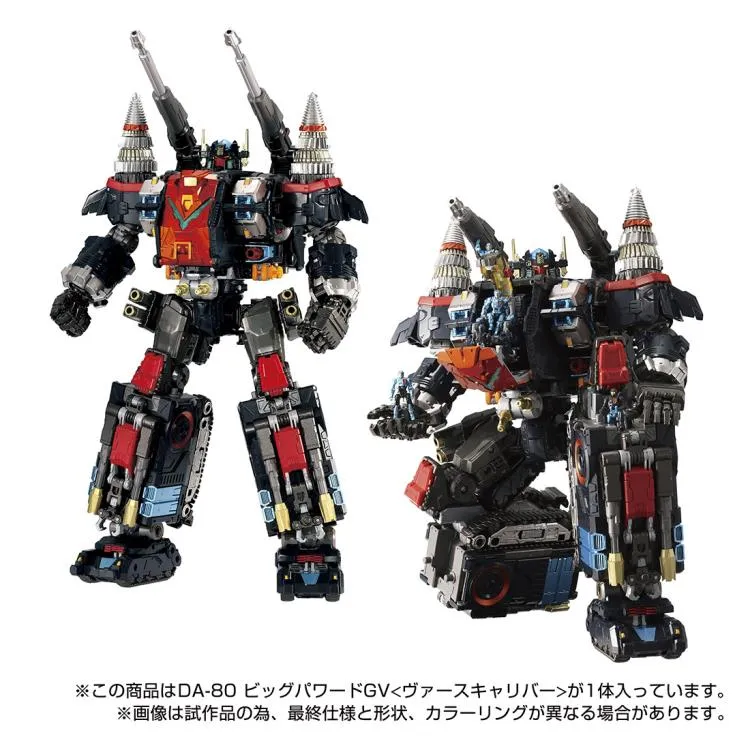
Because names and numbers both matter, it is best to identify a product by both. For example, the DA-80 Big Powered GV sold here is the Verse Caliber version. The DA number plus the version name together tell you exactly which release it is. Quoting the DA number when you ask about a figure saves a lot of confusion.
Diaclone size and scale
Diaclone is built around its small pilots, so the sense of scale comes from those roughly 3cm figures. A Powered Suit is only a little larger, a mid-sized vehicle is bigger again and a Robot Base can be a substantial centrepiece.
That range has a practical consequence: box sizes and shelf space vary enormously. A pilot set is tiny, while a large base is a major display piece. Always check the listed dimensions before buying, because a photograph rarely conveys how big or small a machine really is. If you are planning a shelf, measure the space first.
Is Diaclone compatible with Transformers?
This comes up a lot because of the shared history. Several original Diaclone moulds became the first Transformers, with the pilots removed, which is why some early Transformers have empty cockpits.
For the modern line the answer is more measured. Diaclone Reboot products are designed as Diaclone, not as Transformers accessories, so you should not assume a modern Diaclone part will fit a Transformers figure. Some collectors happily display the two lines side by side and the aesthetics sit well together, but physical compatibility varies from product to product. Treat any specific combination as something to verify rather than expect.
Is Diaclone a model kit or a finished collectible?
Modern Diaclone products are generally supplied as finished, pre-assembled collectibles. They arrive built and painted, ready to pose and display. They are finished transforming and combining collectibles rather than traditional model kits.
That sets them apart from traditional model kits, which need cutting, gluing and painting. Some Diaclone releases may need minor steps such as attaching accessories, applying included stickers or clipping on optional parts, but that is a long way from a glue-and-paint build. If assembly level is a concern, the product description and instructions are the place to confirm what is involved.
How to start collecting Diaclone
You do not need to buy the biggest machine first. A better approach is to decide what draws you in, then start with one self-contained release you can enjoy on its own.
- Pick a direction. Are you most interested in the pilots, a compact machine, a vehicle or a large combining system? Each is a valid entry point.
- Start self-contained. A single release that works on its own is easier to appreciate than an expansion that needs a machine you do not yet own.
- Check what is included. Confirm which pilots and accessories come in the box, especially if the Dia-Nauts matter to you.
- Check compatibility before expansions. If a product is meant to combine with another, make sure you have, or are buying, the right partner.
- Consider display space. Match the size of the release to the shelf you have.
- Mind release timing. Many Diaclone items are sold on preorder, so factor in the estimated arrival window.
- Keep the instructions and small parts. Transformation steps and tiny accessories are much easier with the manual to hand.
None of this depends on spending more. The right first Diaclone is the one that matches your interest and your shelf, not the most expensive box on the page.
Recommended starting points
Release list reviewed: 17 August 2026.
These releases from our Diaclone collection suit different starting points, depending on what draws you in.
- Best for meeting the Dia-Nauts, so the most affordable entry. The DA-125 Cosmo Maneuver Dia-Nauts Action Figure Set is a set of the pilots themselves, so it is an easy, low-cost way to understand the figures at the centre of the line.
- Best vehicle-focused entry. The Cosmo Carrier is a poseable space transport and heavy fighter that includes two pilot figures, so you get a machine and its crew in one box.
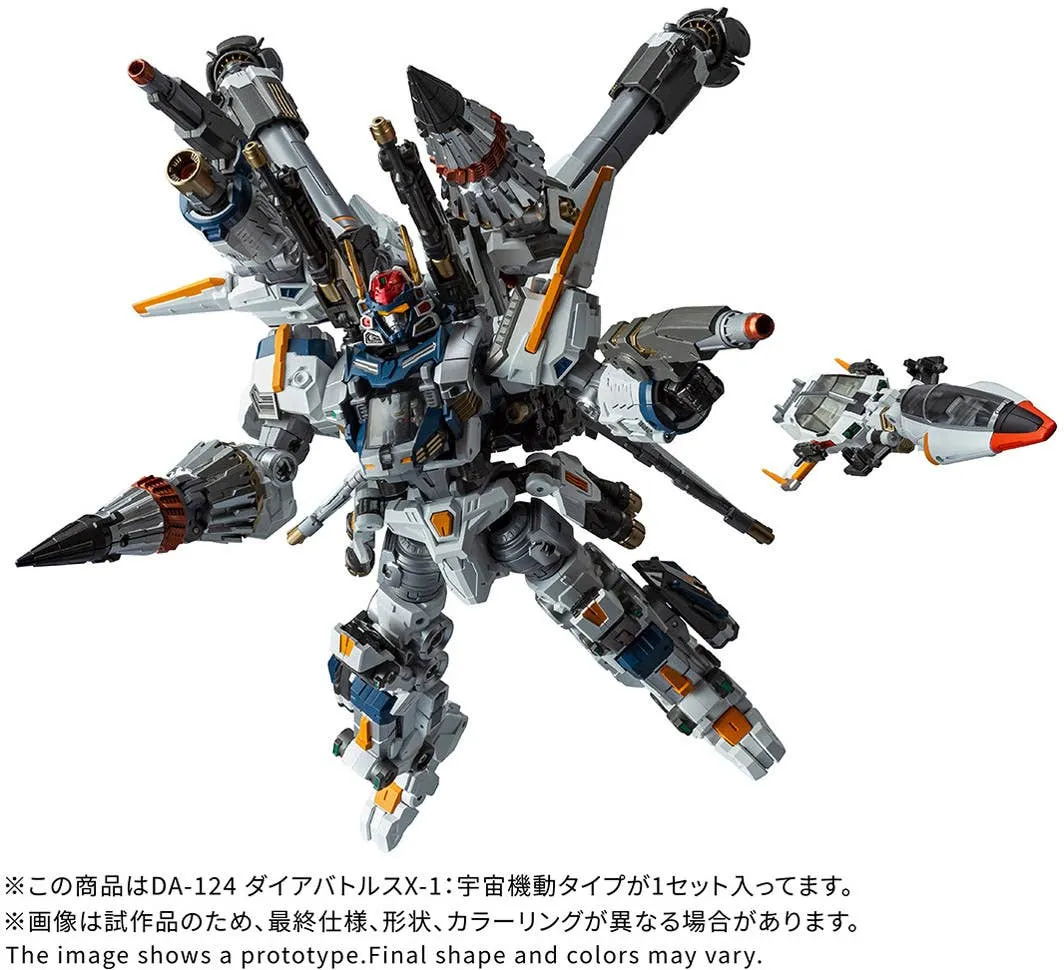
- Best for modular combinations. The DA-124 Dia Battles X-1: Space Maneuver Type transforms into a mech mode and is designed with combination possibilities with other Diaclone units.
- A step up for collectors drawn to Diaclone's enemy faction. The DA-75 Warudaros Dragohead and DA-76 Warudaros Ghoulhead set includes two large Waruder machines that can be displayed separately or combined to form Warudaros Evol Gigantor. With multiple configurations and two Warudaroid pilots, it is better suited to collectors looking for a substantial centrepiece than a simple first purchase.
- Best larger combining system. The DA-80 Big Powered GV converts between robot and vehicle modes and works with the VERS interchangeable system.
- Best for collectors after a centrepiece base. The DA-120 Robot Base GX (Royal Defender) is a large Robot Base and the most substantial release on this list.
Diaclone releases are often sold on preorder with a deposit option, so you can reserve a figure and pay the balance when it is ready to ship. Each product page carries the current price, availability and estimated arrival, so check there before ordering. Our shipping and returns information covers delivery and how orders are packed.
Frequently asked questions
Who makes Diaclone? Diaclone is made by Takara Tomy, the Japanese company known for transforming robot toys. You can see the range on our Takara Tomy page.
Are Dia-Naut pilot figures included with every release? No. Larger machines usually include one or more pilots, some products are the machine alone and dedicated Dia-Nauts sets contain only the pilots. Check the contents list before buying.
Do all Diaclone products connect together? Not universally. The shared 1/60 scale means pilots can board many cockpits, but combining whole machines is usually a designed feature of particular releases. Confirm compatibility before buying something to combine.
Is Diaclone related to Transformers? Historically, yes. Several original Diaclone moulds became the first Transformers. Modern Diaclone products are designed as Diaclone though, not as Transformers accessories, so physical compatibility between the two lines varies.
Are Diaclone products model kits? Generally no. They are supplied as finished, pre-assembled collectibles, though some releases may need minor steps such as attaching accessories or applying stickers.
What does a DA number mean? It is Takara Tomy's catalogue code for a release. Higher numbers generally indicate later products. Recolours or variants get their own number, so identify a figure by its name and DA number together.
How large are Diaclone products? They range from roughly 3cm pilots to large Robot Base releases, so sizes vary widely. Always check the listed dimensions before buying.
Are Diaclone products suitable for children? No. Zero Variant sells Diaclone products as adult collectibles for customers aged 18 and over. They contain small parts and are not intended as children's toys.
Where to go next
Diaclone rewards a little understanding. Once you know that the pilots set the scale, that the DA number identifies the release and that combination is a per-product feature rather than a universal rule, the range stops looking like a wall of codes and starts making sense. Start with one self-contained release that matches your interest, check the size and contents and build from there.
When you are ready, browse the current Diaclone collection to see what is in stock or available to preorder.